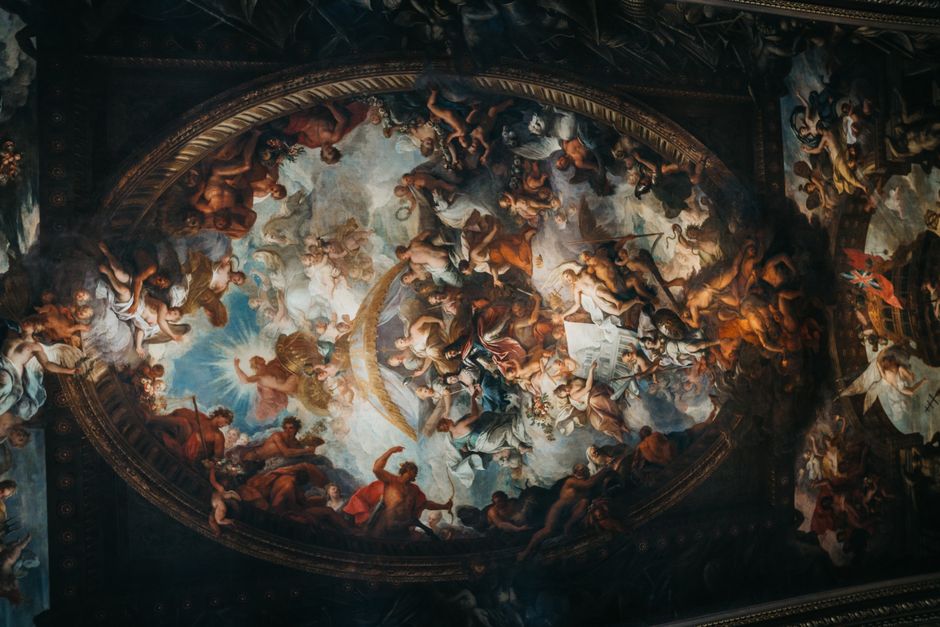
The Use of Light and Shadow in Baroque Art
The Baroque period, spanning roughly from the early 17th to the mid-18th century, represents a pivotal moment in Western art history. Artists of this era sought to evoke emotion and grandeur through dynamic compositions, vibrant colors, and a heightened sense of movement. Central to this visual drama was the masterful manipulation of light and shadow, a technique known as chiaroscuro. This method allowed painters to create a pronounced sense of volume and depth, guiding the viewer’s eye to focal points while amplifying narrative tension.
Among the most influential figures to harness chiaroscuro was Michelangelo Merisi da Caravaggio. His works are renowned for their stark, theatrical contrasts that border on tenebrism, where areas of deep shadow dominate and light emerges with almost physical intensity. By analyzing Caravaggio’s approach and the broader Baroque use of light and shadow, one can better understand the technical and conceptual frameworks that defined this rich artistic tradition.
The Artistic Context of the Baroque Period
The Baroque movement emerged in response to the societal and religious shifts of the Counter-Reformation. The Catholic Church sought art that could communicate spiritual narratives directly and compellingly to a broad audience. This demand for immediacy and emotional engagement drove artists to move beyond the balanced harmony of the Renaissance. Instead, they embraced asymmetry, diagonal lines, and intense contrasts to capture fleeting moments of revelation or ecstasy.
Light and shadow became essential tools in this endeavor. They not only defined forms but also symbolized the interplay between divine presence and earthly darkness. Painters such as Caravaggio, Annibale Carracci, and later Rembrandt in the Netherlands developed distinct methods for representing light. While some favored a more naturalistic diffusion, others employed sharp, directional beams that carved figures out of obscurity. This variety illustrates how the same underlying principle—chiaroscuro—could be adapted to different stylistic intentions and cultural contexts.
Understanding Chiaroscuro as a Technique
Chiaroscuro, an Italian term meaning “light-dark,” refers to the systematic use of strong contrasts between illumination and shadow to model three-dimensional forms. Unlike simple shading, chiaroscuro involves a careful distribution of tonal values across the composition. The technique requires the artist to determine the source of light, its direction, and its relative intensity, then apply shadows accordingly to create a cohesive illusion of reality.
In practice, artists often began with a dark ground or underpainting, then built up layers of lighter pigment in areas where light hits the subject. This method allowed for a gradual transition or, in the case of tenebrism, abrupt shifts between lit and darkened zones. The choice of palette also influenced the effect: warm tones respond differently to shadow than cool tones, and the reflective quality of surfaces further modifies the perceived contrast. By mastering these variables, Baroque painters could render textures such as skin, fabric, or metal with remarkable tactility.
Caravaggio’s Revolutionary Approach
Caravaggio’s innovation lay not in inventing chiaroscuro but in pushing its extremes to unprecedented levels. He often placed a single, focused light source—sometimes described as a “cellar light”—to one side of the scene, throwing most of the image into near-total darkness. This technique, sometimes called tenebrism, heightens the dramatic impact of each gesture and expression. Figures emerge from the blackness with a sculptural clarity that makes them appear almost tangible.
Consider his painting “The Calling of Saint Matthew.” The beam of light enters from the right, cutting across the dim interior and falling precisely on Matthew’s face and hand. The surrounding shadows swallow the other figures, focusing attention on the transformative moment. Caravaggio’s contemporaries noted how his use of strong contrast could make the sacred feel immediate and human, yet also unsettling. This approach was not merely stylistic; it reflected a worldview in which divine illumination pierces a world of moral and physical obscurity.
Methods for Achieving Strong Contrast
Beyond Caravaggio, other Baroque artists developed their own methods to achieve strong contrast within their compositions. A common workflow involved preparatory sketches that mapped the distribution of light and dark before any paint was applied. These visual plans, sometimes called chiaroscuro drawings, used hatching and cross-hatching to simulate tonal transitions. Translating such studies to canvas required careful layering and glazes.
Another important aspect is the use of color temperature. Warm colors like ochre and red tend to advance visually, while cool blues and greens recede. Baroque painters exploited this by placing warm highlights against cool shadowed areas, enhancing the sense of depth. The consistency of the light source also mattered: a single, unbroken beam of light created more unified contrast, whereas multiple sources could diffuse the drama. Artists like Georges de La Tour pursued a quieter, more contemplative contrast by depicting candlelit scenes with even, softened edges. Each approach demonstrates that strong contrast is not simply a matter of brightness versus darkness but involves careful orchestration of hue, saturation, and edge quality.
“The painter who works by rule and without knowledge of light and shadow will produce things that are lifeless and without relief.” — Paraphrase of Leonardo da Vinci’s principles, echoing Baroque thought.
Influence on Later Artists
The Baroque fascination with light and shadow cast a long shadow over subsequent generations. In the 17th century, artists like Rembrandt and Vermeer in the Netherlands adapted chiaroscuro to their own contexts. Rembrandt’s portraits often feature a soft, golden light that models faces with subtlety, while Vermeer’s interiors exploit natural window light to create serene, balanced compositions. The Spanish painter Diego Velázquez also employed contrast, albeit with a more painterly handling of edges.
Moving into the Romantic era, artists such as J.M.W. Turner and Eugène Delacroix drew on Baroque principles to heighten emotional impact. Even the Realists and Impressionists, though reacting against academic conventions, retained an awareness of how light defines form. In the 20th century, filmmakers and photographers adopted chiaroscuro as a compositional strategy, leading to the visual language of film noir and high-contrast photography. This lineage shows that the Baroque approach to light and shadow remains a foundational reference point for visual communication across media.
Observing Baroque Light and Shadow Today
For contemporary viewers, engaging with Baroque chiaroscuro involves more than passive observation. One can analyze how the direction and quality of light influence the mood of a scene. In museum settings, the placement of paintings and the ambient lighting can affect one’s perception of contrast. Some institutions have recreated period-specific lighting conditions to allow visitors to experience the works as their creators intended.
Artists and educators continue to study these techniques as part of foundational training. Understanding the interplay of light and shadow helps in developing observational skills and compositional judgment. While the tools may have changed—from oil paints to digital brushes—the underlying principles of tonal contrast, edge control, and light behavior remain applicable. Baroque art thus offers not only historical insight but also a practical vocabulary for anyone interested in the visual dynamics of representation.